

The Piano: A Vector of Emotions and Creation
Written on October 21 at 9:46 AM - Reading time: about 4 minutes
Beyond being a simple instrument, the piano is a powerful catalyst of emotions, capable of conveying universal feelings, from joy to melancholy.
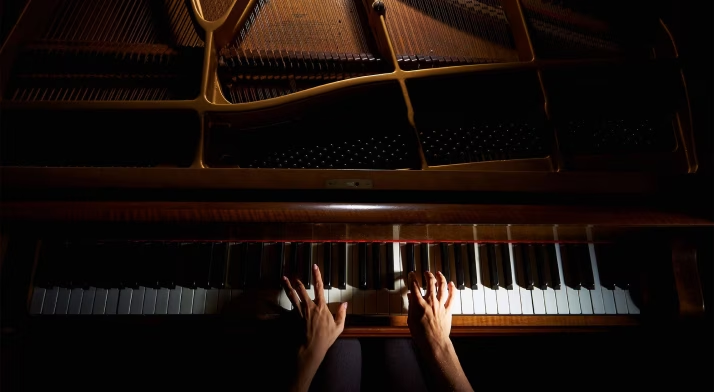
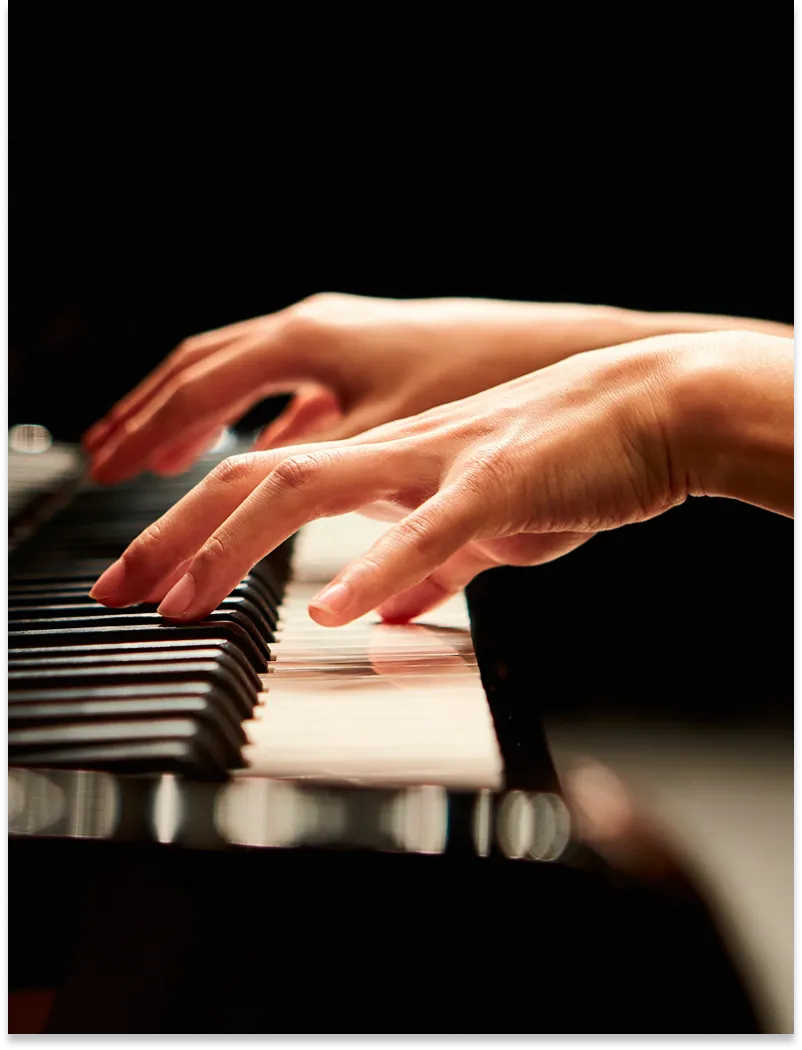
The piano is much more than just an instrument. Whether its keys are struck gently or intensely, they awaken a range of profound emotions, both universal and personal. For centuries, this instrument has accompanied music, fostering artistic sensitivity and redefining the contours of art. With its ability to express melancholy, joy, nostalgia, or euphoria, it enables musicians to convey feelings with unparalleled clarity.
To learn more about how a piano works, read this article.
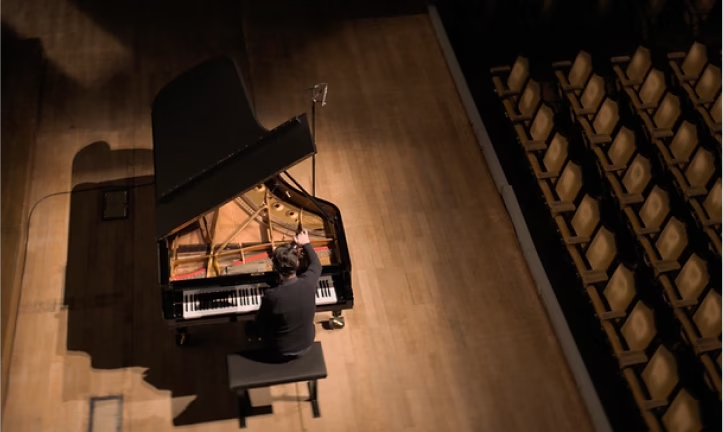
Music, particularly piano music, is a language that goes beyond words. Far from being just a simple distraction, it lies at the heart of our civilization, embodying our emotional quests and our need to create. Rediscovering the piano through the ages reveals its vital role in our search for artistic expression.
"Music begins where the power of words ends." – Richard Wagner
The Piano Through the Ages: Evolution and Multiple Forms
Written on October 21 at 10:34 AM - Reading time: about 2 minutes
From its earliest forms like the clavichord or harpsichord, the piano has evolved to become an essential instrument in the history of both classical and modern music.
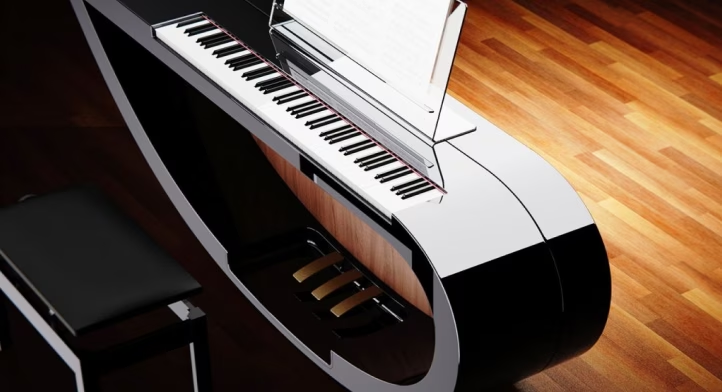
Whether grand, upright, or digital, each form of the piano reflects a response to specific artistic needs. Its presence worldwide makes it a symbol of universal expression and a cornerstone of musical creation. Furthermore, it remains the most taught instrument globally, underscoring its central role in musical education and artists' development. The piano is thus both tradition and innovation, rooted in history while opening new creative perspectives.
To learn more about the piano's evolution, visit this website.
Timeline of Piano Evolution
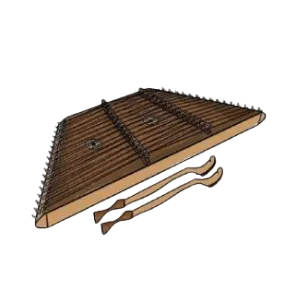
Amered Dulcimer
12th century
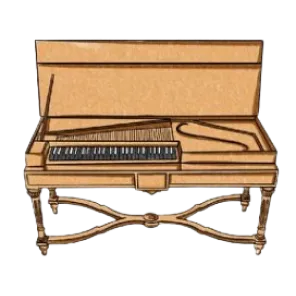
Clavichord
15th century
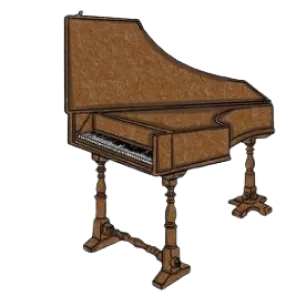
Harpsichord
16th century
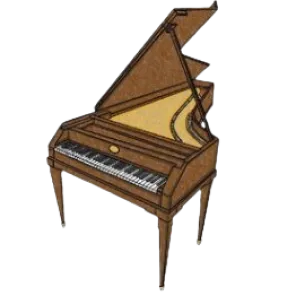
Pianoforte
18th century
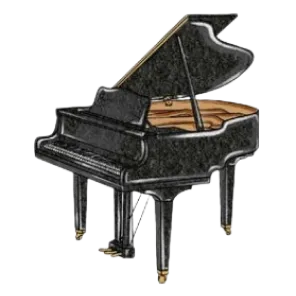
Modern Piano
Late 19th century
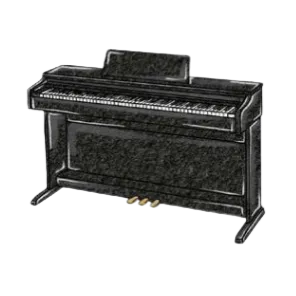
Digital Piano
Mid-20th century (around the 1950s-1960s)
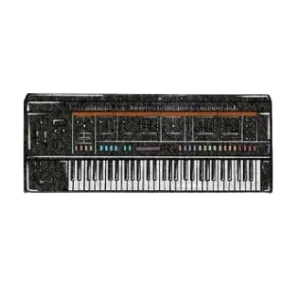
Synthesizer
21st century